Hands Off the Levers: Five Powers Whitehall Should Return to Local Government

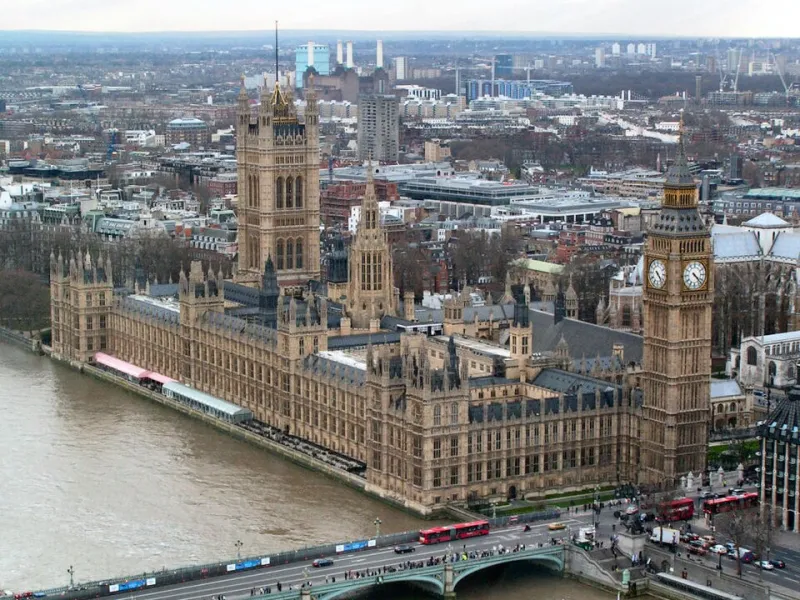
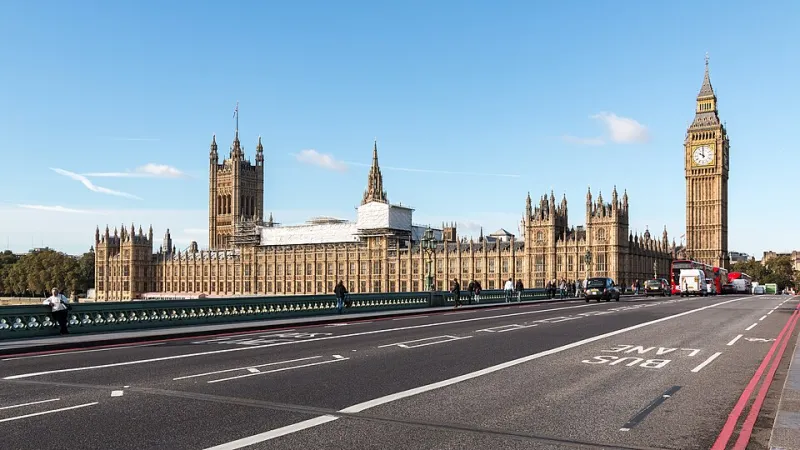
Photo: Virtual-Pano, CC BY-SA 4.0, via Wikimedia Commons
Decentralisation is one of those causes that every Westminster government praises and few seriously pursue. The rhetoric is warm; the machinery stays central. Ministers speak of localism while departments retain the levers, the funding streams and the final say. In 2026, the case for reversing that pattern is not merely sentimental. It is constitutional.
Subsidiarity is not a synonym for localism as mood music. It is a principle: decisions should be taken at the lowest level capable of taking them, with clear accountability and comparable standards. That principle cuts against the grain of British government, which has spent decades concentrating power in Whitehall and then wondering why local areas lack the capacity to act.
The centre-right case for devolution is not that local politicians are wiser than national ones. It is that competition, experimentation and visible accountability work better when decisions sit closer to the people who bear their consequences. But decentralisation without design can produce duplication, capture and blame-shifting. Each power below therefore comes with an honest assessment of the risk.
1. Skills funding and adult education
The case: England's skills system is funded through a maze of national pots, provider contracts and departmental priorities. Combined authorities have gained adult education budgets, but too often they remain peripheral. Full devolution of skills funding — including adult education, bootcamps and employer-facing programmes — would allow mayors and councils to align training with local labour markets.
The evidence: The argument is not that local areas always spend better. It is that employer-facing systems work better when curricula, commissioning and careers advice sit close to the firms that hire. National programmes struggle to reflect differences between a coastal town dependent on tourism and a city with a advanced manufacturing cluster.
The risk: Provider capture and duplication. Local politicians can protect failing colleges or spread money thinly. The safeguard should be a single outcome agreement, published destination data and a national minimum entitlement so that devolution does not become a postcode lottery in entitlements.
2. Bus franchising and network funding
The case: The Bus Services Act 2017 gave metro mayors franchising powers, but the Department for Transport still presides over a fragmented funding landscape. Whitehall should consolidate five-year transport settlements and grant automatic franchising competence to combined authorities that meet published governance tests.
The evidence: London's regulated bus model has long shown that a planned network can sustain ridership and investment. Greater Manchester's franchising rollout is now under way, offering a live test of whether the model travels. The early lesson is that franchising is not a magic wand; it depends on stable funding and competent delivery.
The risk: Local politicians can inflate subsidies, protect inefficient routes or use the network as a patronage tool. The answer is not to keep powers in London. It is to require statutory performance indicators, independent audit and passenger representation.
3. Planning appeals for minor and commercial applications
The case: Planning appeals are decided centrally by the Planning Inspectorate. That removes some local political pressure, but it also centralises decisions that often turn on local knowledge. Appeals for minor and commercial applications should move to combined authority review panels, with national call-in retained for nationally significant infrastructure and a statutory presumption in favour of the development plan.
The evidence: The planning system satisfies neither developers nor residents. Centralisation does not remove politics; it relocates it. Local review panels, properly constituted, could apply local plans more consistently and reduce the sense that Whitehall is second-guessing communities.
The risk: Local protectionism. Councils and combined authorities could use appeals to block housing and commercial development. That is a serious centre-right objection. The safeguard must be a statutory presumption in favour of the adopted plan, published appeal performance and a national override where housing targets are persistently missed.
4. Retrofit grants and energy efficiency
The case: Home retrofit funding is split across national schemes, local authority delivery and supplier obligations. Households face a obstacle course. Multi-year retrofit budgets should be devolved to councils and combined authorities, with national eligibility rules and technical standards set by Westminster.
The evidence: Retrofitting homes requires joining up housing, planning, skills and consumer protection. Local delivery can connect those strands; national schemes often cannot. The evidence on outcomes is mixed, but the fragmentation is not.
The risk: Capacity gaps and fraud. Some councils will deliver well; others will struggle. The safeguard is an accredited installer register, published outcomes, clawback for poor performance and a national backstop for areas that cannot deliver.
5. Local growth capital and land assembly
The case: Growth funding is too often allocated through competitive pots that reward bidding expertise rather than economic need. Combined authorities with trailblazer deals have shown the value of single settlements. Whitehall should extend five-year single settlements for growth and land assembly, with published metrics and independent appraisal.
The evidence: Competitive bidding wastes capacity, especially in smaller authorities. Single settlements allow strategic planning and make trade-offs visible. They also make it harder for local leaders to blame Whitehall for every failure.
The risk: Local rent-seeking and pet projects. Devolved capital can be captured by well-connected developers or spent on prestige schemes. The safeguard is independent appraisal, public capital accounts and sunset reviews.
Local first, not local only
The test of devolution is not whether Whitehall trusts local government. It is whether citizens can see who decides, what standard applies and how to hold them to account. The five powers above would not settle every constitutional question. But they would move Britain away from a system in which local government is treated as an delivery agent for national priorities and towards one in which it is a accountable tier of government in its own right.
That is the local first doctrine worth defending in 2026: not a retreat from national standards, but a redistribution of the levers, with the risks openly stated and the safeguards built in.